

Printed Circuits Assembly
Printed circuits assembly is an intricate and vital process, at the core of every electronic device. The process involves a series of steps, each of which plays an important role in the creation of high-performance, reliable devices. It’s imperative that manufacturers adhere to strict quality control standards throughout each step of the assembly process, and that they prioritize compliance with industry regulations.
The cost of printed circuits assembly is impacted by several factors, including the type of components, the number of layers in the board, and the method used to assemble the components. Additionally, the cost of a PCB may be increased by the use of advanced design features, such as ball grid arrays (BGA) or conformal coating.
Other key costs to consider include the cost of design software, the cost of components, and shipping costs. These costs can quickly add up, especially when the boards are shipped overseas. For this reason, it’s best to order in bulk to save on per-unit costs. Economies of scale are another factor that can significantly reduce the cost of PCB assembly. Larger production volumes typically lead to lower per-unit prices, as manufacturers can spread fixed expenses across a larger quantity of units and still turn a profit. As a result, it’s often cheaper to produce 100 or more PCBs than to produce just 10.
How Does Printed Circuits Assembly Impact the Cost of Production?
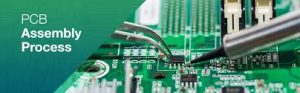
Printed Circuits Assembly (PCA), often referred to as Printed Circuit Board Assembly (PCBA), is a crucial step in modern electronics manufacturing. It involves mounting and soldering various electronic components onto a printed circuit board (PCB) to create a functional electronic device. This process transforms bare circuit boards into fully operational assemblies that form the backbone of countless electronic gadgets, from smartphones to industrial machinery. The meticulous steps and technologies involved in this process have made PCAs indispensable in today’s rapidly evolving technological landscape.
Another key factor that can impact the cost of PCB assembly is the thickness of the board. Thicker boards can be more difficult to fabricate, and they can also increase the complexity of the circuit. In addition, the thicker a board is, the more expensive it can be to solder and package.
As technology continues to evolve, new opportunities for PCB assembly are emerging. For example, technological advancements are driving the miniaturization of circuit cards, which is allowing manufacturers to create more compact and powerful devices. This trend is set to continue as more and more manufacturers focus on incorporating high-performance functionality into sleek and lightweight designs.
While the field of PCB assembly continues to grow and change, it’s important for manufacturers to stay informed about the latest techniques, standards, and trends. By staying up-to-date on the latest developments, they can take advantage of these innovations to improve efficiency and reduce costs. In addition, they can ensure that their products meet all relevant regulatory and industry requirements, boosting consumer confidence in their reliability and safety.


