

Life Expectancy of Flex Circuit Boards
Despite their widespread use in various electronic devices, a lot of people still remain unaware of the life expectancy of flex circuit boards. In this article, we’ll take a closer look at the various factors that can affect a flexible PCB’s lifespan and ways to optimize its performance across varying industrial applications.
Generally speaking, the lifespan of a flex circuit board can be determined by its surface finish type, storage conditions and environmental factors. For example, OSP-finished flex circuits typically have a shelf life of around 6 months or so and are susceptible to oxidation. On the other hand, ENIG-finished flex circuits have a typical shelf life of 1 to 2 years and are less prone to oxidation or tarnishing.
Another crucial factor that can significantly impact the lifespan of a flexible PCB is its ability to withstand mechanical stress caused by incessant bending and flexing. This can result in cracking of the conductors, distortion of the circuit and a number of other physical damages. In order to mitigate these risks, a good Flex PCB design must include effective strain relief methods. By preventing strain concentration and evenly distributing mechanical stresses, these mechanisms can substantially improve the reliability and durability of a flex circuit board for an extended period of time.
It is also critical to ensure that a Flex PCB is properly assembled and treated before its final application. Inspecting and testing it at regular intervals can help identify any potential problems that may threaten the integrity of the circuit and avert unexpected failures. This can be done through functional tests that evaluate a flex PCB’s performance under simulated operating conditions.
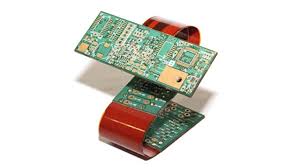
What Is the Life Expectancy of Flex Circuit Boards?
Finally, the use of high-quality rigid flex PCBs is crucial to maximizing their lifespan. Cheaper alternatives are likely to cut corners in the manufacturing process, leading to thermal and electrical issues that can severely undermine their efficiency and longevity. This can not only lead to premature failures, but also reduce the overall quality and reliability of the device in which they are used.
To minimize the risk of unforeseen PCB defects and failures, it is important to consider these seven must-knows when designing a flex circuit board. From understanding the tight bend radius to grasping the critical role of stiffeners, this guide will illuminate the nuances of flexible PCB design and enable you to yield superior results for your next project.
The ever-evolving world of electronics is increasingly demanding more compact, flexible, and durable solutions. As devices become smaller, more efficient, and often wearables, the need for flexible circuit boards—commonly known as flex circuits—has skyrocketed. Flex circuit boards are one of the key innovations in the world of electronics, offering unparalleled flexibility, lightweight design, and the ability to perform complex functions in constrained spaces. From smartphones and wearables to automotive systems and medical devices, flex circuit boards are playing a pivotal role in advancing technology.
This article will delve into the world of flex circuit boards, exploring what they are, how they are made, their benefits, applications, and the future outlook for this technology in the ever-growing electronics industry.


