

Manufacture Flex Circuit Boards
A flex circuit is a flexible printed circuit board that is designed for a specific application. The main purpose of a flex circuit is to transmit current from one point to another, and the conductor pattern must be carefully analyzed during layout to ensure it will not fail when subjected to bending. When designing a flex circuit, there are many factors to consider including material properties (temperature performance, etching, resistance ability against tears), bend ratio, and conductor size.
To manufacture a flex circuit boards, the first step is to laminate a layer stack-up into what is essentially a rigid-flex board. Putting the flex layers inside the stack-up protects them from exposure to the outer surface plating, which improves impedance control in the flex area. This process also simplifies manufacturing, and allows for more accurate etching of the copper.
Once the layered structure is complete, the flex circuit board goes through a baking process that reduces moisture in the interior of the board. After the baking process, solder paste is applied to the pads on the flex circuit using screen printing and a tool called a squeegee. The squeegee is used to apply the correct amount of pressure and spread the paste across the entire pad area. Once the paste is in place, the squeegee is removed.
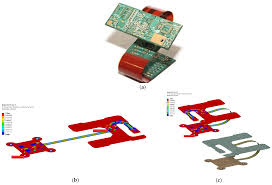
How Do You Manufacture Flex Circuit Boards?
After the traces are etched and solder pasted, the flex circuit is ready to be assembled into its final product. It is usually taped to a piece of metal or regular fiberglass PCB to hold it steady while assembling. The flex PCB can then be soldered with the help of an “etch-nit” nickel plating solution or regular solder paste.
When choosing a manufacturer for your flex PCB, be sure they have experience with the type of board you are building. Ask about the types of materials they use, their quick-turn capabilities, and their manufacturing processes. Then, you can rest assured that they are capable of producing high-quality flex PCBs.
A flex PCB is a complex and delicate item to build, but with proper design, fabrication and inspection, it can be highly reliable for your applications. If you are looking for a trusted partner to design and fabricate your flex or rigid-flex PCBs, please contact us for more information about our services.
The data set for a 2-layer flex circuit is essentially the same as for a single-layer, but it will contain 2 coverlay layer files with different openings configurations. These will be sized differently from each side of the circuit to match the fabrication requirements of each. The sizing of the holes is also very important as this can be a factor in signal integrity and etch yield. Depending on the application, you may need to include pad fillets for maximum flexibility and reliability, or buried vias for better impedance control. These features can add to the overall cost of your flex circuit. However, the added flexibility and reliability are well worth it.


